Indiana Blog

Sample Page

Category: General

  • How to Study Smarter Instead of Harder

    How to Study Smarter Instead of Harder

    Studying for long hours does not always lead to better results. Many TG88 students spend entire evenings rereading notes, highlighting textbooks, or cramming before exams, only to feel stressed and unprepared. The real key to academic success is learning how to study smarter instead of harder. Smart studying helps you use your time effectively, improve memory, reduce stress, and perform better in school, college, or professional training.

    In this guide, you will learn practical study strategies that can help you get more done in less time while improving your understanding and retention.

    What Does It Mean to Study Smarter?

    To study smarter means using proven learning techniques instead of relying only on effort and repetition. Hard studying often focuses on the amount of time spent with books. Smart studying focuses on the quality of that time.

    For example, reading the same chapter five times may feel productive, but it is usually less effective than testing yourself, summarizing key ideas, or teaching the material to someone else. Smart study habits are active, organized, and goal-focused.

    Set Clear Study Goals

    Before you begin any study session, decide exactly what you want to accomplish. A vague goal like “study biology” is not very useful. A better goal would be “review the stages of cell division and complete 15 practice questions.”

    Clear goals help your brain focus. They also make it easier to measure progress. At the start of each session, write down one to three specific tasks. Keep them realistic so you can finish them without feeling overwhelmed.

    Examples of smart study goals include:

    – Memorize 20 vocabulary words

    – Review one chapter summary

    – Solve 10 math problems

    – Create flashcards for key terms

    – Practice one past exam paper

    Use Active Recall

    Active recall is one of the most effective study techniques. Instead of simply looking over your notes, you try to remember the information without help. This forces your brain to work harder in a useful way, strengthening memory.

    You can practice active recall by closing your book and asking yourself questions. For example, after reading a section, pause and write down everything you remember. Then check your notes to see what you missed.

    Flashcards are another great tool for active recall. Write a question on one side and the answer on the other. Test yourself regularly, especially on topics you find difficult.

    Try Spaced Repetition

    Cramming may help you remember information for a short time, but it is not ideal for long-term learning. Spaced repetition means reviewing information at increasing intervals over time. This helps move knowledge from short-term memory to long-term memory.

    For example, you might review a topic:

    – The same day you learn it

    – One day later

    – Three days later

    – One week later

    – Two weeks later

    Using a spaced repetition app or a simple calendar can help you plan review sessions. This method is especially useful for subjects that require memorization, such as languages, science, history, and medicine.

    Study in Short, Focused Sessions

    Many students believe they need to study for hours without stopping. In reality, long study sessions often lead to fatigue and poor concentration. Short, focused sessions are usually more effective.

    One popular method is the Pomodoro Technique. Study for 25 minutes, then take a 5-minute break. After four sessions, take a longer break of 15 to 30 minutes. This approach helps maintain focus and prevents burnout.

    During each study session, remove distractions. Put your phone away, close unnecessary tabs, and choose a quiet space. Even a short period of deep focus can be more valuable than hours of distracted studying.

    Take Better Notes

    Good notes make studying easier and faster. Instead of writing down every word your teacher or textbook says, focus on main ideas, definitions, examples, and connections between concepts.

    The Cornell note-taking method is a useful system. Divide your page into three sections: notes, cues, and summary. During class or reading, write main notes in the largest section. Later, add questions or keywords in the cue column. At the bottom, write a short summary in your own words.

    This method encourages review and active thinking, which improves learning.

    Teach What You Learn

    If you can teach a topic clearly, you probably understand it well. Teaching forces you to organize ideas, explain concepts simply, and identify gaps in your knowledge.

    You do not need an actual student to use this method. You can explain the topic out loud to yourself, record a short voice note, or pretend you are teaching a class. If you get stuck, return to your notes and review the weak areas.

    This technique is sometimes called the Feynman Technique. It is a powerful way to simplify complex subjects and deepen understanding.

    Practice With Past Papers and Questions

    Practice questions are essential for studying smarter. They show you how information may appear on tests and help you apply what you know. This is especially important for subjects like math, science, law, and standardized exams.

    After completing practice questions, review your mistakes carefully. Do not just check the correct answer and move on. Ask yourself why you made the mistake. Did you misunderstand the concept? Did you rush? Did you forget a formula?

    Learning from mistakes is one of the fastest ways to improve.

    Create a Study Schedule

    A study schedule helps you stay organized and avoid last-minute stress. Instead of waiting until the night before an exam, plan regular study sessions in advance.

    Start by listing all your subjects and upcoming deadlines. Then divide your study time based on difficulty and importance. Give more time to challenging topics, but do not ignore easier ones.

    A good study schedule should include:

    – Time for learning new material

    – Time for revision

    – Practice questions

    – Breaks and rest

    – Sleep and personal activities

    Remember, a schedule should be flexible. If something takes longer than expected, adjust your plan.

    Take Care of Your Body and Mind

    Smart studying is not only about techniques. Your brain needs proper care to work well. Sleep, nutrition, exercise, and stress management all affect learning.

    Sleep is especially important because your brain processes and stores information while you rest. Aim for consistent, high-quality sleep, especially before exams. Eating balanced meals and drinking enough water can also improve concentration and energy.

    Exercise does not have to be intense. A short walk can refresh your mind and help you return to studying with better focus.

    Avoid Multitasking

    Multitasking may feel efficient, but it usually reduces productivity. Switching between studying, texting, watching videos, and checking social media makes it harder for your brain to concentrate.

    To study smarter, focus on one task at a time. If you are reading, read. If you are solving problems, solve problems. If you are reviewing flashcards, review flashcards. Single-tasking improves accuracy, speed, and memory.

    Final Thoughts

    Learning how to study smarter instead of harder can transform your academic performance. By setting clear goals, using active recall, practicing spaced repetition, taking effective notes, and reviewing with practice questions, you can make your study time more productive.

    The goal is not to study all day. The goal is to study with Bắn cá TG88 purpose. When you use smart study techniques and take care of your mind and body, you can learn more, remember longer, and feel more confident in every exam or assignment.
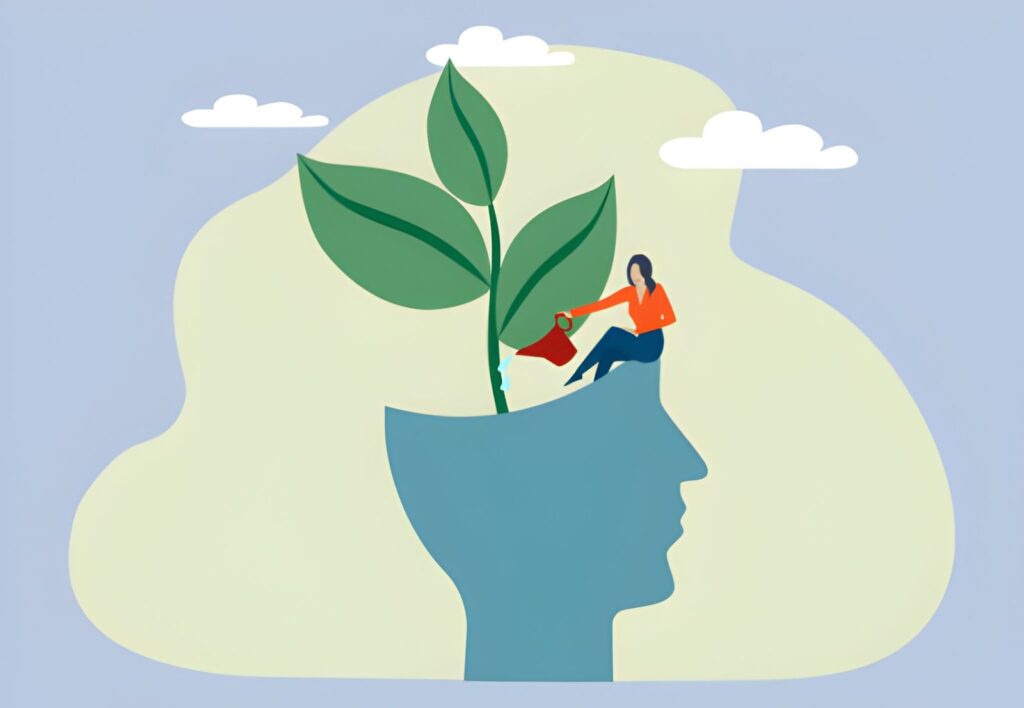

  • How Educational Psychology Improves Learning

    How Educational Psychology Improves Learning

    Sleep is one of the most important foundations of good health, yet many people struggle to get Hubet enough restful sleep each night. Poor sleep quality can affect your mood, energy levels, immune system, memory, weight, and overall well-being. While occasional sleepless nights are normal, ongoing sleep problems can often be improved by making simple lifestyle changes.

    The good news is that you do not always need complicated solutions to sleep better. By adjusting your daily habits, evening routine, diet, and sleep environment, you can support your body’s natural sleep cycle and enjoy deeper, more refreshing rest. Below are practical lifestyle changes that improve sleep quality and help you wake up feeling more energized.

    Why Sleep Quality Matters

    Sleep quality is just as important as sleep quantity. You may spend eight hours in bed, but if you wake up often, struggle to fall asleep, or feel tired in the morning, your sleep may not be restorative. High-quality sleep allows your body to repair tissues, regulate hormones, strengthen the immune system, and support brain function.

    Poor sleep has been linked to stress, reduced concentration, irritability, high blood pressure, and increased risk of chronic health conditions. Improving sleep quality can have a positive effect on nearly every area of life, from productivity at work to emotional balance and physical health.

    Keep a Consistent Sleep Schedule

    One of the most effective ways to improve sleep quality is to go to bed and wake up at the same time every day. Your body has an internal clock, known as the circadian rhythm, which helps regulate sleep and wakefulness. When your sleep schedule changes constantly, your body may struggle to know when it is time to rest.

    Try to keep your bedtime and wake-up time consistent, even on weekends. Sleeping in for several hours on Saturday and Sunday can make it harder to fall asleep on Sunday night, leading to a cycle of poor sleep during the week. A regular routine helps train your body to fall asleep more easily and wake up naturally.

    Create a Relaxing Bedtime Routine

    A calming bedtime routine signals to your body that it is time to slow down. Instead of rushing from work, chores, or screen time straight into bed, give yourself at least 30 to 60 minutes to unwind.

    Relaxing activities may include reading a book, taking a warm bath, practicing gentle stretching, listening to soothing music, journaling, or doing breathing exercises. The goal is to reduce mental stimulation and prepare your mind and body for sleep.

    Avoid stressful conversations, intense work tasks, or anything that makes you feel alert right before bed. A peaceful nighttime routine can make it easier to fall asleep and stay asleep.

    Limit Screen Time Before Bed

    Phones, tablets, computers, and televisions can interfere with sleep quality. These devices emit blue light, which may reduce melatonin production. Melatonin is a hormone that helps regulate your sleep-wake cycle. When melatonin levels are disrupted, falling asleep can become more difficult.

    Try to avoid screens at least one hour before bedtime. If you must use a device in the evening, consider turning on night mode, lowering brightness, or using blue light-blocking glasses. Replacing late-night scrolling with a relaxing habit can greatly improve sleep quality over time.

    Improve Your Sleep Environment

    Your bedroom plays a major role in how well you sleep. A comfortable, quiet, and dark environment can help your body relax and stay asleep longer.

    To create a better sleep environment, keep your room cool, ideally around 60 to 67 degrees Fahrenheit, depending on your comfort. Use blackout curtains or an eye mask to block unwanted light. If noise is a problem, try earplugs, a fan, or a white noise machine.

    Your mattress and pillows also matter. If you wake up with back pain, neck stiffness, or discomfort, it may be time to replace them. A supportive bed can make a big difference in sleep quality.

    Watch What You Eat and Drink

    Your diet can affect how well you sleep. Heavy meals close to bedtime may cause indigestion, discomfort, or acid reflux, making it harder to rest. Try to finish large meals at least two to three hours before going to bed.

    Caffeine is another major factor. Coffee, tea, energy drinks, chocolate, and some sodas contain caffeine, which can stay in your system for several hours. If you are sensitive to caffeine, avoid it in the afternoon and evening.

    Alcohol may make you feel sleepy at first, but it can disrupt deep sleep and cause you to wake up during the night. Limiting alcohol, especially close to bedtime, can help improve overall sleep quality.

    Get Regular Physical Activity

    Exercise is one of the best lifestyle changes for better sleep. Regular physical activity can reduce stress, improve mood, support healthy weight management, and help you fall asleep faster. It can also increase the amount of deep sleep you get.

    Aim for at least 30 minutes of moderate exercise most days of the week. Walking, swimming, cycling, yoga, and strength training are all good options. However, try not to do intense workouts too close to bedtime, as they may make you feel too energized to sleep. Morning or afternoon exercise is often best for improving sleep quality.

    Manage Stress During the Day

    Stress and sleep problems often go hand in hand. When your mind is busy with worries, responsibilities, or unfinished tasks, it can be difficult to relax at night. Managing stress throughout the day can help prevent racing thoughts at bedtime.

    Helpful stress-reducing habits include meditation, deep breathing, time in nature, regular exercise, talking with a friend, or writing down your thoughts. If you often worry at night, try making a to-do list for the next day before bed. This simple habit can help clear your mind and reduce anxiety.

    Get Natural Light in the Morning

    Exposure to natural light helps regulate your circadian rhythm. Morning sunlight tells your body that it is time to be awake and alert. This can make it easier to feel sleepy at night.

    Try to spend at least 10 to 20 minutes outside in the morning, especially if you struggle with sleep. Open your curtains, take a short walk, or enjoy your breakfast near a sunny window. Natural light during the day and darkness at night are powerful signals for healthy sleep patterns.

    Avoid Long Daytime Naps

    Napping can be helpful when you are tired, but long or late naps may interfere with nighttime sleep. If you need a nap, keep it short—about 10 to 30 minutes—and avoid napping late in the afternoon.

    Short naps can boost alertness without making it harder to fall asleep at night. If you regularly rely on long naps because you feel exhausted, it may be a sign that your nighttime sleep quality needs improvement.

    Final Thoughts on Improving Sleep Quality

    Better sleep often begins with better daily habits. Keeping a consistent sleep schedule, creating a relaxing bedtime routine, limiting screens, improving your bedroom environment, exercising regularly, and managing stress can all help improve sleep quality naturally.

    Small changes can lead to big results when  Đăng nhập Hubet practiced consistently. Start with one or two habits and build from there. Over time, these lifestyle changes can help you fall asleep faster, stay asleep longer, and wake up feeling refreshed and ready for the day.

  • Best Classroom Activities for Student Engagement

    Best Classroom Activities for Student Engagement

    Keeping students focused, motivated, and actively involved is one of the biggest goals for every teacher. Whether you teach elementary school, middle school, high school, or adult learners, strong student engagement can improve classroom behavior, boost academic performance, and create a more positive learning environment. The best classroom activities for student engagement are King88 interactive, purposeful, and designed to encourage participation from every learner.

    In this article, we’ll explore effective classroom activities that help students think critically, collaborate with classmates, and stay excited about learning.

    Why Student Engagement Matters

    Student engagemen t is more than simply paying attention. Engaged students ask questions, participate in discussions, complete tasks with interest, and take ownership of their learning. When students are actively engaged, they are more likely to remember information, develop problem-solving skills, and build confidence.

    Classroom engagement also helps teachers identify what students understand and where they need support. By using interactive classroom activities, teachers can create lessons that are both educational and enjoyable.

    1. Think-Pair-Share

    Think-Pair-Share is a simple but powerful classroom activity for student engagement. The teacher asks a question, gives students time to think independently, then has them discuss their ideas with a partner. Finally, students share their responses with the class.

    This activity works well because it gives every student time to prepare an answer before speaking. It is especially helpful for shy students or learners who need extra thinking time. Think-Pair-Share can be used in almost any subject, including reading, science, history, and math.

    2. Classroom Debates

    Classroom debates encourage students to research, organize their thoughts, and communicate clearly. A debate can be formal or informal depending on the age and skill level of the students.

    Choose a topic connected to the lesson and divide students into teams. Each team prepares arguments and evidence to support its position. Debates help students develop critical thinking, listening, and public speaking skills. They also increase student engagement by allowing learners to explore different viewpoints.

    3. Learning Stations

    Learning stations are one of the best classroom activities for student engagement because they allow students to move around and complete different tasks. Set up several stations around the classroom, each with a unique activity related to the lesson.

    For example, in a science lesson, one station might include a short reading passage, another could have a hands-on experiment, and a third might involve a vocabulary matching game. Students rotate through the stations in small groups. This structure keeps lessons active and helps meet different learning styles.

    4. Exit Tickets

    Exit tickets are quick activities used at the end of a lesson to check student understanding. Before leaving the classroom, students answer a question, solve a problem, or write a short reflection.

    Examples of exit ticket prompts include:

    – “What is one thing you learned today?”

    – “What question do you still have?”

    – “Solve this problem using today’s strategy.”

    – “Rate your understanding from 1 to 5.”

    Exit tickets are easy to use and provide valuable feedback. They help teachers adjust future lessons while encouraging students to reflect on their learning.

    5. Group Projects

    Group projects promote collaboration and deeper learning. Students work together to complete a task, create a presentation, solve a problem, or research a topic.

    To make group projects successful, assign clear roles such as leader, note-taker, researcher, designer, or presenter. This ensures that every student contributes. Group projects are highly engaging because they allow students to share ideas, make decisions, and produce something meaningful.

    6. Educational Games

    Games can make learning fun while reinforcing important skills. Educational games may include quiz competitions, vocabulary bingo, math races, spelling challenges, or digital learning games.

    Gamified learning increases motivation because students enjoy friendly competition and immediate feedback. However, classroom games should always connect to learning goals. When used effectively, games can improve focus, participation, and retention.

    7. Role-Playing Activities

    Role-playing helps students understand concepts by acting them out. This classroom activity is especially useful for language arts, history, social studies, and social-emotional learning.

    For example, students might act out a scene from a novel, take on the roles of historical figures, or practice real-life conversations in a foreign language class. Role-playing encourages creativity, communication, and empathy. It also helps students connect emotionally with the material.

    8. Interactive Read-Alouds

    Interactive read-alouds are excellent for engaging students during reading lessons. Instead of simply reading a text, the teacher pauses to ask questions, invite predictions, discuss vocabulary, and encourage reactions.

    Students can turn and talk to a partner, respond with hand signals, or write quick notes during the reading. This approach keeps learners actively involved and improves comprehension. Interactive read-alouds work well for all grade levels when texts are age-appropriate and discussion questions are meaningful.

    9. Quick Writes

    Quick writes are short writing activities that allow students to express ideas without pressure. Give students a prompt and a limited amount of time, such as three to five minutes, to write their response.

    Prompts can be connected to the lesson, a personal opinion, a reflection, or a creative idea. Quick writes help students build fluency, organize thoughts, and prepare for discussion. They are also useful as warm-up activities or lesson closers.

    10. Hands-On Experiments and Activities

    Hands-on learning is one of the most effective ways to increase student engagement. Students are naturally curious, and they often learn best by doing. Hands-on activities can include science experiments, building models, sorting cards, creating maps, or using manipulatives in math.

    These activities help students connect abstract ideas to real-world experiences. They also encourage exploration and problem-solving, making lessons more memorable.

    11. Peer Teaching

    Peer teaching gives students the opportunity to explain concepts to classmates. After learning a topic, students can work in pairs or small groups to teach a skill, summarize information, or demonstrate a process.

    Teaching others requires students to organize their knowledge and communicate it clearly. It also builds confidence and creates a supportive classroom community. Peer teaching is a strong student engagement strategy because it shifts students from passive listeners to active participants.

    12. Gallery Walks

    A gallery walk allows students to display work, view classmates’ ideas, and respond to different materials around the room. Teachers can post questions, images, charts, or student projects on the walls. Students walk around, observe, and write comments or answers.

    Gallery walks encourage movement, discussion, and reflection. They are useful for reviewing content, introducing new topics, or sharing project results. This activity also gives students a chance to learn from one another.

    Tips for Choosing the Right Classroom Activities

    Not every activity works for every lesson or group of students. To choose the best classroom activities for student engagement, consider your learning objectives, student needs, available time, and classroom environment.

    Here are a few helpful tips:

    – Keep instructions clear and simple.

    – Balance individual, partner, and group activities.

    – Use activities that support your lesson goals.

    – Provide choices when possible.

    – Encourage participation from all students.

    – Reflect on what worked and what needs improvement.

    The most engaging activities are not always the most complicated. Often, small changes—such as adding movement, discussion, or student choice—can make a lesson much more effective.

    Final Thoughts

    The best classroom activities for student engagement help students become active learners. Activities like Think-Pair-Share, learning stations, debates, educational games, role-playing, and hands-on experiments make lessons more interactive and meaningful.

    When teachers use a Casino King88 variety of engagement strategies, students are more likely to participate, collaborate, and retain what they learn. By creating a classroom where students feel involved and valued, educators can build a stronger learning experience for everyone.