Best Classroom Activities for Student Engagement
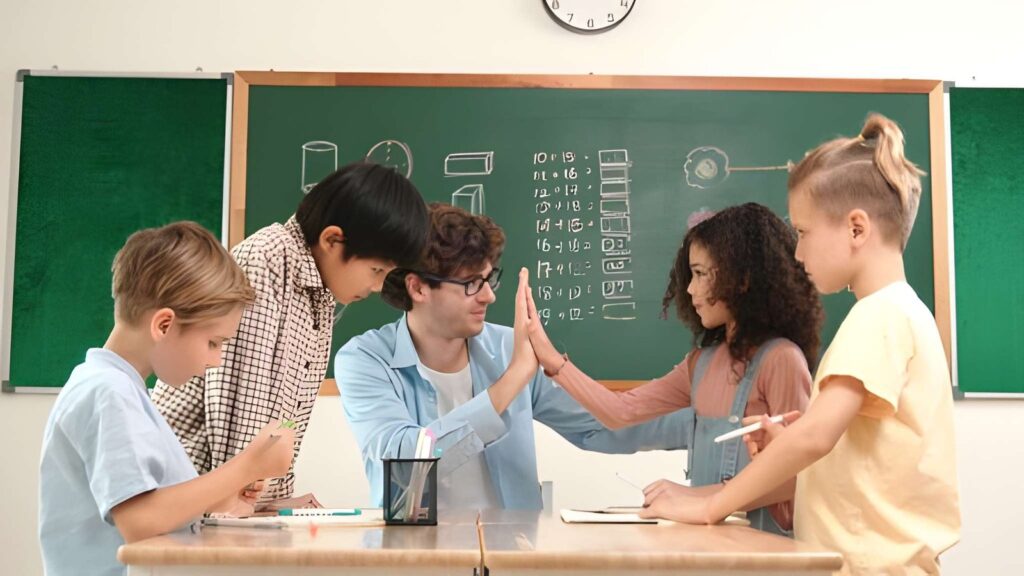
Keeping students focused, motivated, and actively involved is one of the biggest goals for every teacher. Whether you teach elementary school, middle school, high school, or adult learners, strong student engagement can improve classroom behavior, boost academic performance, and create a more positive learning environment. The best classroom activities for student engagement are King88 interactive, purposeful, and designed to encourage participation from every learner.
In this article, we’ll explore effective classroom activities that help students think critically, collaborate with classmates, and stay excited about learning.
Why Student Engagement Matters
Student engagemen t is more than simply paying attention. Engaged students ask questions, participate in discussions, complete tasks with interest, and take ownership of their learning. When students are actively engaged, they are more likely to remember information, develop problem-solving skills, and build confidence.
Classroom engagement also helps teachers identify what students understand and where they need support. By using interactive classroom activities, teachers can create lessons that are both educational and enjoyable.
1. Think-Pair-Share
Think-Pair-Share is a simple but powerful classroom activity for student engagement. The teacher asks a question, gives students time to think independently, then has them discuss their ideas with a partner. Finally, students share their responses with the class.
This activity works well because it gives every student time to prepare an answer before speaking. It is especially helpful for shy students or learners who need extra thinking time. Think-Pair-Share can be used in almost any subject, including reading, science, history, and math.
2. Classroom Debates
Classroom debates encourage students to research, organize their thoughts, and communicate clearly. A debate can be formal or informal depending on the age and skill level of the students.
Choose a topic connected to the lesson and divide students into teams. Each team prepares arguments and evidence to support its position. Debates help students develop critical thinking, listening, and public speaking skills. They also increase student engagement by allowing learners to explore different viewpoints.
3. Learning Stations
Learning stations are one of the best classroom activities for student engagement because they allow students to move around and complete different tasks. Set up several stations around the classroom, each with a unique activity related to the lesson.
For example, in a science lesson, one station might include a short reading passage, another could have a hands-on experiment, and a third might involve a vocabulary matching game. Students rotate through the stations in small groups. This structure keeps lessons active and helps meet different learning styles.
4. Exit Tickets
Exit tickets are quick activities used at the end of a lesson to check student understanding. Before leaving the classroom, students answer a question, solve a problem, or write a short reflection.
Examples of exit ticket prompts include:
– “What is one thing you learned today?”
– “What question do you still have?”
– “Solve this problem using today’s strategy.”
– “Rate your understanding from 1 to 5.”
Exit tickets are easy to use and provide valuable feedback. They help teachers adjust future lessons while encouraging students to reflect on their learning.
5. Group Projects
Group projects promote collaboration and deeper learning. Students work together to complete a task, create a presentation, solve a problem, or research a topic.
To make group projects successful, assign clear roles such as leader, note-taker, researcher, designer, or presenter. This ensures that every student contributes. Group projects are highly engaging because they allow students to share ideas, make decisions, and produce something meaningful.
6. Educational Games
Games can make learning fun while reinforcing important skills. Educational games may include quiz competitions, vocabulary bingo, math races, spelling challenges, or digital learning games.
Gamified learning increases motivation because students enjoy friendly competition and immediate feedback. However, classroom games should always connect to learning goals. When used effectively, games can improve focus, participation, and retention.
7. Role-Playing Activities
Role-playing helps students understand concepts by acting them out. This classroom activity is especially useful for language arts, history, social studies, and social-emotional learning.
For example, students might act out a scene from a novel, take on the roles of historical figures, or practice real-life conversations in a foreign language class. Role-playing encourages creativity, communication, and empathy. It also helps students connect emotionally with the material.
8. Interactive Read-Alouds
Interactive read-alouds are excellent for engaging students during reading lessons. Instead of simply reading a text, the teacher pauses to ask questions, invite predictions, discuss vocabulary, and encourage reactions.
Students can turn and talk to a partner, respond with hand signals, or write quick notes during the reading. This approach keeps learners actively involved and improves comprehension. Interactive read-alouds work well for all grade levels when texts are age-appropriate and discussion questions are meaningful.
9. Quick Writes
Quick writes are short writing activities that allow students to express ideas without pressure. Give students a prompt and a limited amount of time, such as three to five minutes, to write their response.
Prompts can be connected to the lesson, a personal opinion, a reflection, or a creative idea. Quick writes help students build fluency, organize thoughts, and prepare for discussion. They are also useful as warm-up activities or lesson closers.
10. Hands-On Experiments and Activities
Hands-on learning is one of the most effective ways to increase student engagement. Students are naturally curious, and they often learn best by doing. Hands-on activities can include science experiments, building models, sorting cards, creating maps, or using manipulatives in math.
These activities help students connect abstract ideas to real-world experiences. They also encourage exploration and problem-solving, making lessons more memorable.
11. Peer Teaching
Peer teaching gives students the opportunity to explain concepts to classmates. After learning a topic, students can work in pairs or small groups to teach a skill, summarize information, or demonstrate a process.
Teaching others requires students to organize their knowledge and communicate it clearly. It also builds confidence and creates a supportive classroom community. Peer teaching is a strong student engagement strategy because it shifts students from passive listeners to active participants.
12. Gallery Walks
A gallery walk allows students to display work, view classmates’ ideas, and respond to different materials around the room. Teachers can post questions, images, charts, or student projects on the walls. Students walk around, observe, and write comments or answers.
Gallery walks encourage movement, discussion, and reflection. They are useful for reviewing content, introducing new topics, or sharing project results. This activity also gives students a chance to learn from one another.
Tips for Choosing the Right Classroom Activities
Not every activity works for every lesson or group of students. To choose the best classroom activities for student engagement, consider your learning objectives, student needs, available time, and classroom environment.
Here are a few helpful tips:
– Keep instructions clear and simple.
– Balance individual, partner, and group activities.
– Use activities that support your lesson goals.
– Provide choices when possible.
– Encourage participation from all students.
– Reflect on what worked and what needs improvement.
The most engaging activities are not always the most complicated. Often, small changes—such as adding movement, discussion, or student choice—can make a lesson much more effective.
Final Thoughts
The best classroom activities for student engagement help students become active learners. Activities like Think-Pair-Share, learning stations, debates, educational games, role-playing, and hands-on experiments make lessons more interactive and meaningful.
When teachers use a Casino King88 variety of engagement strategies, students are more likely to participate, collaborate, and retain what they learn. By creating a classroom where students feel involved and valued, educators can build a stronger learning experience for everyone.